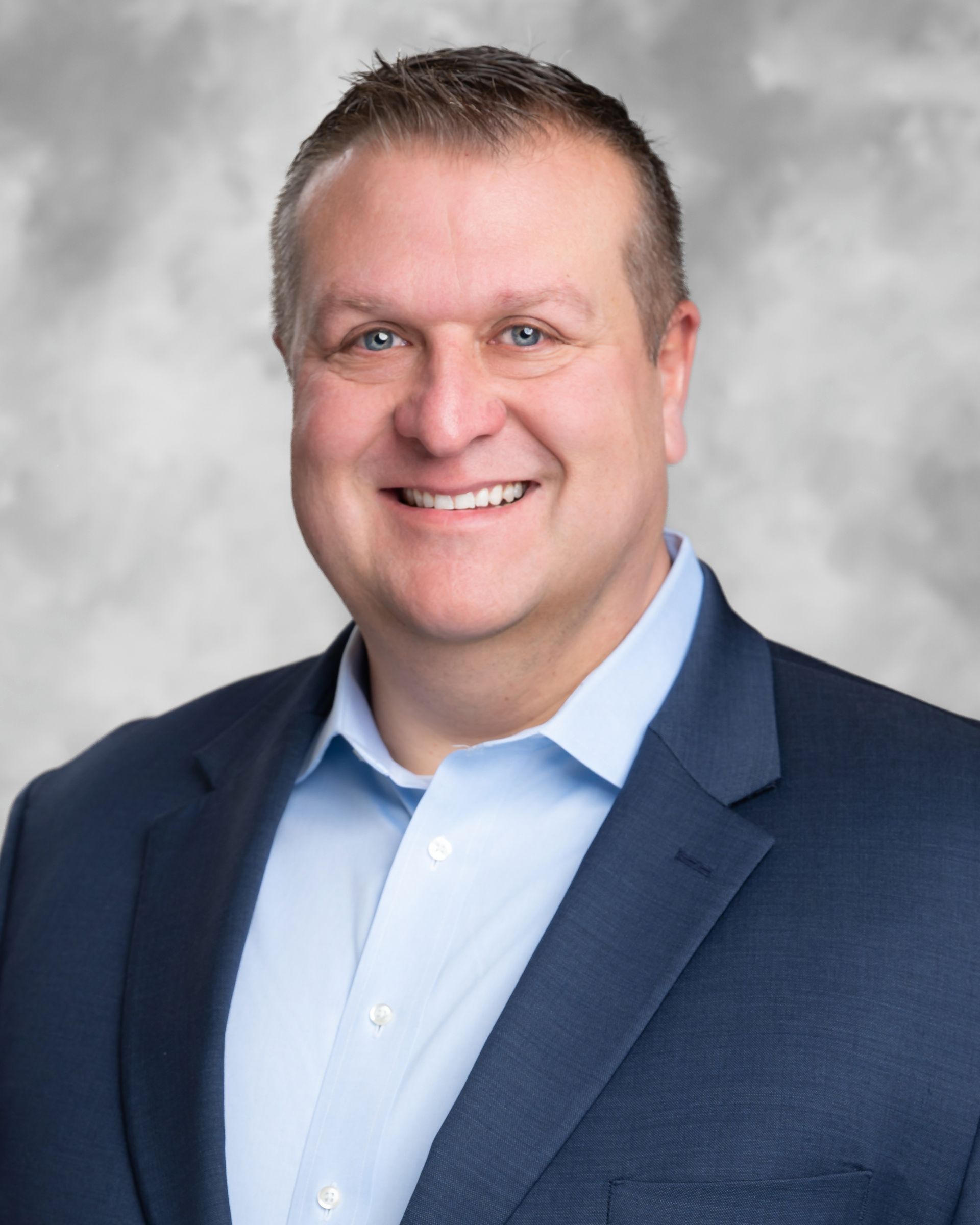
Carl Behne
Carl Behne on Scaling Direct Care, Staying Nimble, and Building for Access
For years, Carl Behne operated inside the traditional healthcare system, navigating its processes, partnerships, and pressures. Over time, one pattern became clear: the system was getting heavier, while care was getting harder to deliver. In conversation with Mehul Agarwal, Founder of HealthCompiler, Carl reflected on how those early frustrations turned into a scalable direct care network.
“There’s a lot of great people with great intentions,” Carl reflects. “But the systems and processes that get put in place tend to create unintended consequences. They get in the way of providers interacting with patients and patients navigating the system.”
Those frustrations became regular conversations between Carl and his longtime colleague Dr. Jon Van Der Veer, conversations about provider burnout, patient access, and a system that often made care harder to deliver, not easier. When Jon decided to step into Direct Primary Care, Carl encouraged the move. Soon after, along with a third partner, Nathan Koerselman, the conversations turned into action.
They saw an opportunity to build something scalable.
From Frustration to Footprint
What started as a response to system pain points quickly grew into a care model. One early decision set the tone: opening the first 24-hour urgent care clinic to support employer partners with round-the-clock workforces.
That move attracted innovative employers like QuikTrip, which became one of their first major clients. Demand grew. New clinics opened across the Des Moines metro. Then came conversations with Hy-Vee Inc.
The alignment was natural. Hy-Vee’s focus on making lives “easier, healthier, and happier” mirrored Carl’s focus on access, transparency, and simplified care. After a two-year courtship, the two groups formed a 50-50 partnership in 2024.
Today, the model spans multiple states across the Midwest, with more locations on the way. Hy-Vee employees receive access as a benefit, while the broader community and employer groups also plug into the network.
The goal remains straightforward: make primary care easier to reach and easier to use.
Building a Business That Lasts
Carl is pragmatic about growth. Scale, he says, only works if the foundation is right.
First comes structure. A strong legal and organizational framework allowed them to operate clinically while maintaining business flexibility. Second comes discipline. The team stayed lean, avoided unnecessary spending, and structured leases carefully so early cash flow wasn’t drained by overhead.
And third comes people.
“Finding the right people is everything,” Carl says. “It can’t just be burnout that brings someone here. It has to be a desire to practice differently.”
That philosophy shows up in provider expectations too. In their model, physicians are deeply involved in patient care, from greeting patients to hands-on clinical work. The aim is not volume, but meaningful care.
Data, Tech, and Staying Human
While the model is relationship-driven, Carl is clear-eyed about the role of data and technology.
Clean, real-time data helps employers understand spend and outcomes without waiting months for reports. Their health plan dashboards allow leaders to see claims activity as it happens. On the clinical side, a strong EHR that supports the providers and care in the best way possible.
AI, for Carl, is about flow, not replacement.
They use it to reduce friction, not to remove human interaction. Fewer touchpoints for members. More coordination behind the scenes. Front desks still answer phones. Providers still lead care.
Technology supports the experience, it doesn’t replace it.
Looking Ahead
Carl sees the market shifting away from fully insured models toward self-funded and ICHRA-based approaches. HSAs unlocking DPC payments, he believes, will accelerate consumer-driven care.
But even as payment models evolve, his north star stays the same: access.
High engagement, strong member experience, and long-term relationships matter more than flashy growth. Their near-90 NPS suggests the approach is resonating.
For providers considering the move into DPC, Carl offers a simple lens: balance lifestyle with purpose.
“It’s a great way to practice what you went to school for,” he says. “To actually sit down and be that stabilizer for your patients.”
The future of direct care, in his view, isn’t about rebellion against the system. It’s about building something that works better inside and outside it.
Do you have any other questions?